A carpet can do far more than cover a floor. It can shape the atmosphere of a room, introduce texture, soften architectural lines, and express the personality of the people who live there. While mass-produced rugs may provide convenience, they rarely offer the individuality, depth, and artistic character found in hand-carved bespoke carpets.
Created through a combination of traditional craftsmanship and thoughtful design, hand carved custom rugs turn functional floor coverings into distinctive works of art. Every element, from the pattern and colour palette to the pile height and carved detailing, can be developed to complement a particular interior.
For homeowners, interior designers, architects, hotels, and luxury commercial spaces, bespoke carpets offer something that standard designs cannot: a rug created specifically for the room in which it will live.
What Is a Hand-Carved Bespoke Carpet?
A hand-carved bespoke carpet is a custom-made rug featuring carefully sculpted patterns or textures. After the rug has been woven or tufted, skilled artisans use specialised tools to carve around selected design elements. This process creates raised and recessed areas within the pile, giving the surface a three-dimensional appearance.
The carving may be subtle, outlining floral motifs or geometric shapes, or it may be more dramatic, producing bold layers and strong visual contrast. The result is a carpet that engages both the eye and the sense of touch.
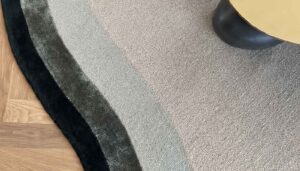
Unlike an ordinary printed rug, where the design remains flat, a hand-carved carpet has physical depth. Light falls differently across the raised and lowered sections, causing the pattern to appear more dynamic throughout the day.
Because each carpet is made according to individual requirements, the client can influence nearly every detail. Size, shape, material, colours, pattern, texture, border style, and level of carving can all be tailored to suit the project.
The Beauty of Traditional Craftsmanship
The appeal of hand carved custom rugs begins with the human skill involved in making them. Although modern technology can support the design process, the finishing work depends heavily on the experience and judgement of trained craftspeople.
Carving a rug requires precision. If an artisan cuts too deeply, the fibres may be damaged. If the carving is too shallow, the pattern may lack definition. Each line must be shaped carefully so that the final design looks clean, balanced, and intentional.
This detailed process gives every carpet a sense of authenticity. Small variations may appear because the work is completed by hand rather than by an automated machine. These variations are not flaws. They are part of the rug’s identity and proof of the craftsmanship behind it.
In a world filled with fast production and identical products, handmade pieces offer a meaningful alternative. They reflect time, patience, and artistic dedication.
Designed Around Your Interior
One of the greatest advantages of a bespoke carpet is its ability to fit naturally into a specific space. Instead of choosing a rug and trying to make the room work around it, the carpet can be designed around the room.
A designer may take inspiration from existing furniture, wall finishes, artwork, fabrics, or architectural features. A curved carpet can follow the shape of a staircase or seating area. A long runner can be created to match the exact dimensions of a hallway. A large statement rug can define an open-plan living space without overwhelming it.
Colour matching is another important benefit. Standard rugs often come in limited shades, making it difficult to find the right tone. Bespoke production allows colours to be selected with much greater accuracy. The rug can echo the warm tones of wooden furniture, contrast with a neutral sofa, or incorporate accent colours from cushions and artwork.
The design itself can also be completely personal. Some clients prefer elegant botanical patterns, while others choose abstract forms, contemporary lines, cultural motifs, monograms, or company logos. Hand carving adds definition to these ideas and helps important details stand out.
The Creative Design Process
The creation of hand carved custom rugs usually begins with a discussion about the space, style, and practical requirements. The designer considers where the carpet will be placed, how much foot traffic it will receive, which colours are already present, and what emotional effect the client wants to achieve.
A formal reception area may need a refined and impressive design. A bedroom rug may focus on softness and comfort. A hotel lobby could require a bold pattern that reinforces the brand’s identity. A family living room may need durability as well as visual warmth.
After the concept is agreed upon, the design is developed digitally or by hand. Dimensions, pattern placement, colour combinations, and carving areas are planned carefully. In many cases, a sample is produced before the full carpet is made. This allows the client to review the materials, colours, pile, and carved finish.
Once approved, the carpet moves into production. Depending on the technique, it may be hand-knotted, hand-tufted, or woven using a combination of skilled manual work and specialist equipment. The carving is completed after the main rug structure has been formed.
Finally, the carpet is washed, trimmed, inspected, and finished before delivery.
Choosing the Right Materials
Material selection has a major influence on the appearance, comfort, and performance of a bespoke carpet.
Wool is one of the most popular choices because it is soft, durable, resilient, and naturally insulating. It holds colour beautifully and responds well to carving, making it suitable for detailed patterns.
Silk may be added when a more luxurious sheen is required. Its smooth fibres reflect light, helping selected areas of the design appear brighter and more refined. Because pure silk can be delicate, it is often blended with wool or used only for decorative highlights.
Viscose is another option for creating a silk-like finish. It offers softness and shine, although it is generally better suited to lower-traffic areas.
Other materials, including bamboo silk, cotton, and synthetic fibres, may also be used depending on the budget, location, and performance needs. A knowledgeable rug maker can recommend the right combination for the intended environment.
The best material is not simply the most expensive one. It is the material that supports the design while meeting the practical demands of the space.
Texture That Changes the Experience of a Room
Texture plays a powerful role in interior design. Smooth surfaces can create a modern and controlled appearance, while layered textures make a room feel warmer and more inviting.
Hand-carved rugs introduce texture without requiring additional furniture or decorative objects. The sculpted surface adds visual movement, even when the colour palette is simple. A rug made in several shades of cream, beige, or grey can still feel expressive when different pile heights are used.
This makes hand carving especially effective in minimalist interiors. Instead of relying on strong colours, the designer can create interest through shadows, depth, and touch.
The tactile experience also contributes to the sense of luxury. Walking across a thick, carefully sculpted rug feels noticeably different from stepping onto a flat, machine-made carpet. The craftsmanship can be felt as well as seen.
A Strong Choice for Luxury Commercial Spaces
Although bespoke carpets are often associated with private homes, they are equally valuable in commercial environments.
Luxury hotels use custom carpets to strengthen their visual identity and create memorable guest experiences. Restaurants may use them to define dining areas and improve acoustic comfort. Corporate offices can incorporate brand colours or subtle logo elements into reception rugs. Retail spaces may choose sculpted carpets to enhance product displays and guide customers through the interior.
In these settings, design must be balanced with durability. The carpet should look impressive while handling regular foot traffic. Materials, pile density, construction method, and maintenance requirements must therefore be considered from the beginning.
A well-designed bespoke rug can become an important part of a brand’s physical environment. It communicates attention to detail and creates a sense of exclusivity that customers and visitors immediately recognise.
Caring for a Hand-Carved Carpet
Proper care helps preserve the beauty and structure of a hand-carved rug. Regular vacuuming removes dust and prevents dirt from settling deep into the pile. However, powerful rotating brushes should be used carefully because they may affect carved edges or delicate fibres.
Spills should be treated quickly by blotting rather than rubbing. Rubbing can push liquid deeper into the rug and distort the texture. Cleaning products should always be tested on a small, hidden area first.
Professional cleaning is recommended when the rug requires a deeper treatment. Specialists who understand handmade carpets will know how to clean the fibres without flattening the carved design or causing colours to run.
The rug may also benefit from occasional rotation, especially in rooms where sunlight or foot traffic is concentrated in one area. Using a suitable rug pad can provide extra support, reduce movement, and protect the floor underneath.
Read more: High-Density Luxury Carpets: Why Weight Matters
Why Bespoke Rugs Are Worth the Investment
A hand-carved bespoke carpet requires more time and planning than a standard rug, but it offers long-term value in return.
It fits the space correctly, supports the interior design, and reflects the client’s personal taste. It is created from carefully selected materials and finished by skilled artisans. Most importantly, it becomes part of the identity of the room rather than serving as a temporary accessory.
Well-made hand carved custom rugs can remain relevant for many years because they are not based solely on short-lived trends. When the colours, proportions, and materials are chosen thoughtfully, the rug can continue to complement the interior even as furniture and accessories change.
The investment is not only in a floor covering. It is in craftsmanship, originality, comfort, and lasting design.
A Personal Work of Art for the Floor
The finest interiors often feel effortless, but that sense of harmony comes from careful decisions. Every material, colour, shape, and texture contributes to the overall experience of the room.
Hand-carved bespoke carpets bring these elements together in a highly personal way. They combine function with artistry and traditional techniques with modern design possibilities. Whether the goal is to create a subtle foundation or a dramatic focal point, a custom rug can transform the character of the space.
In an age of mass production, hand carved custom rugs offer something increasingly valuable: a piece made with intention, shaped by human hands, and designed for one particular place. They do not simply complete an interior. They give it depth, distinction, and a story of its own.